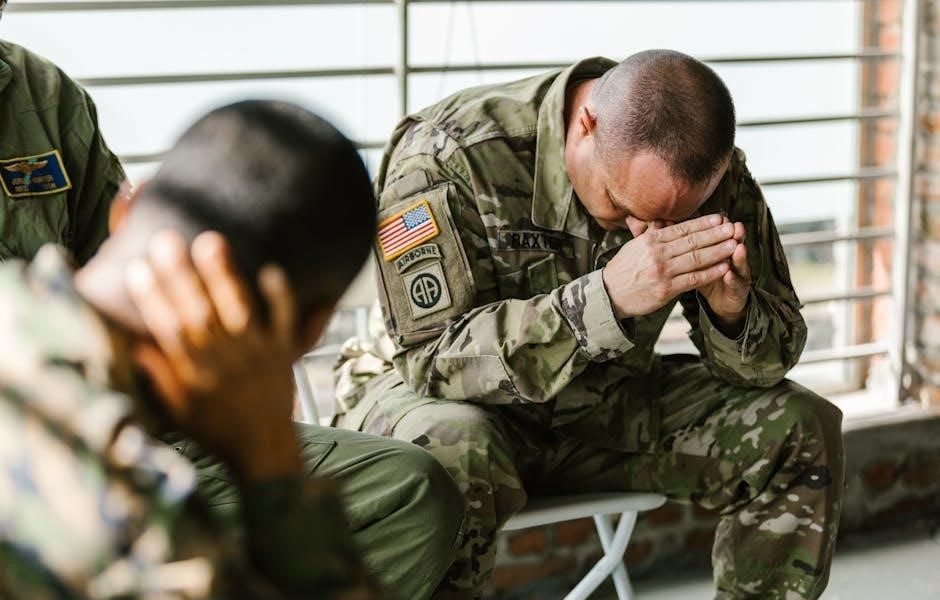
army nco creed pdf
The Army NCO Creed: A Comprehensive Overview (as of 12/17/2025)
Official PDF versions of the NCO Creed are readily accessible, ensuring widespread distribution and study within the Army․
The Integrated Personnel and Pay System – Army (IPPS-A)
provides digital access,
integrating the Creed into Army training programs as of November 2025․
Origins and Historical Context
The genesis of the NCO Creed traces back to the 1970s, a period marked by a recognized “NCO credibility problem” within the U․S․ Army․ Unlike commissioned officers who took oaths, Noncommissioned Officers lacked a formal, standardized statement defining their responsibilities and ethos․ This perceived gap prompted a need for a guiding principle to measure NCO performance and reinforce professional identity․
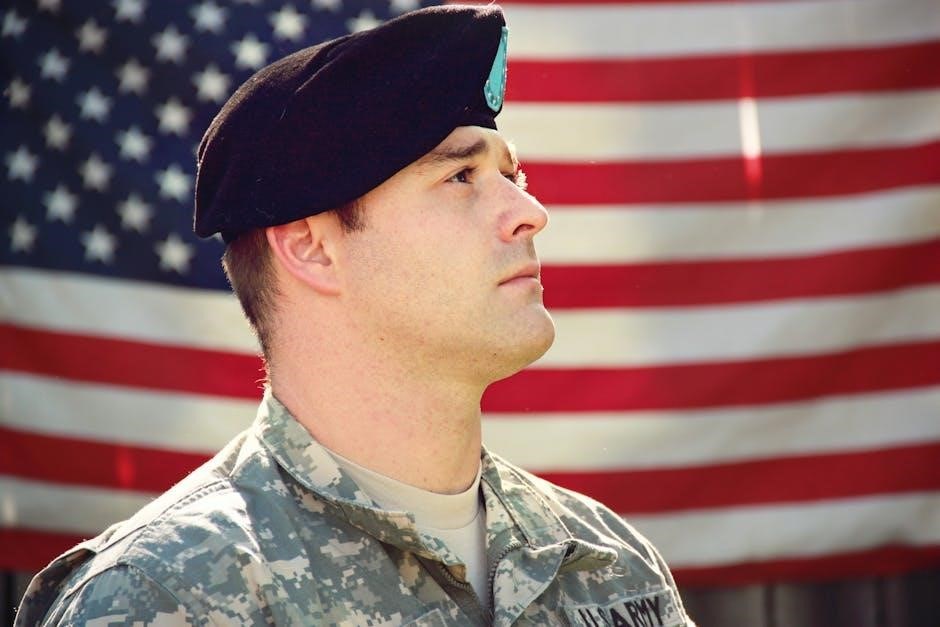
Initial efforts to address this issue began with a focus on the very letters “N-C-O,” serving as a foundational element for constructing a meaningful declaration․ The development process was spearheaded by the NCO Subcommittee, operating under the Command and Leadership Committee at the U․S․ Army Infantry School (USAIS) in Fort Benning, Georgia․ Key figures like SFC Earle Brigham and SFC Jimmie Jakes played pivotal roles in shaping the Creed’s initial form, expanding upon the core concept․
The NCO Credibility Problem of the 1970s
During the 1970s, the U․S․ Army faced a significant challenge: a perceived decline in the credibility and professional standing of its Noncommissioned Officer Corps․ This issue stemmed from a lack of a unifying standard or formal declaration outlining the expectations and responsibilities of NCOs․ While officers were bound by oaths, NCOs operated without a comparable, publicly stated commitment to core values and duties․
This credibility gap manifested in concerns about inconsistent leadership, varying levels of technical expertise, and a weakening of the NCO Corps’ distinct identity․ The Army recognized the critical need to re-establish a strong NCO ethos, one that would instill confidence in both soldiers and leaders․ The development of the NCO Creed was directly intended as a solution to this problem, aiming to provide a benchmark for NCO conduct and restore faith in their leadership capabilities․
Formation of the NCO Subcommittee at Fort Benning
To address the NCO credibility concerns of the 1970s, a dedicated NCO Subcommittee was formed at the U․S․ Army Infantry School (USAIS) at Fort Benning, Georgia․ This subcommittee operated under the Command and Leadership Committee, within the Leadership Department of USAIS․ The formation of this group was a pivotal step in formally defining the expectations and standards for Army NCOs․
The subcommittee’s primary mission was to draft a statement that would encapsulate the essence of the NCO Corps – its values, responsibilities, and commitment to soldiers․ This initiative aimed to create a unifying document that would serve as a guide for NCO conduct and a source of pride for its members․ The work conducted at Fort Benning laid the foundation for what would become the enduring NCO Creed, shaping the future of Army leadership․
Key Figures: SFC Earle Brigham and SFC Jimmie Jakes
SFC Earle Brigham and SFC Jimmie Jakes are widely recognized as the principal architects of the NCO Creed․ As members of the NCO Subcommittee at Fort Benning, their contributions were instrumental in transforming the initial concept into a formal statement of NCO values․ Recent interviews with these NCOs, along with their NCOIC, reveal the deliberate process behind the Creed’s creation․
The genesis of the Creed stemmed from a desire to address the Army’s NCO credibility problem․ Starting with the letters “N-C-O,” Brigham and Jakes, along with other subcommittee members, meticulously crafted a message that would resonate with all noncommissioned officers․ Their dedication and vision resulted in a powerful declaration of professionalism, leadership, and unwavering commitment to soldiers, solidifying their place in Army history․
The Role of USAIS Command and Leadership Committee
The U․S․ Army Infantry School (USAIS) Command and Leadership Committee played a pivotal role in the development and refinement of the NCO Creed․ Serving as the parent organization for the NCO Subcommittee, the Committee provided essential oversight and guidance throughout the process․ This collaborative environment fostered a space where NCOs could openly discuss and articulate the core values that defined their corps․
The NCO Subcommittee, operating under the Committee’s direction, expanded upon initial drafts of the Creed, ensuring it accurately reflected the expectations and responsibilities of Army NCOs․ This expansion, occurring in the July-August 1975 issue of the Infantry magazine, was crucial in establishing a standard for NCO conduct and professionalism, readily available in PDF format today․
Development and Evolution of the Creed
Initially conceived as “N-C-O,” the Creed evolved into a formal statement in 1975, with the NCO Subcommittee at Fort Benning expanding its scope․
PDF accessibility followed․
From “N-C-O” to a Formal Statement
The journey of the NCO Creed began unconventionally, originating from the simple acronym “N-C-O․” This initial framework, as highlighted in Reddit discussions and historical accounts, served as the foundational building block for what would become a defining statement for the Noncommissioned Officer Corps․ The transformation from these three letters to a comprehensive creed wasn’t immediate; it was a deliberate process undertaken by the NCO Subcommittee at Fort Benning․
This subcommittee, part of the Command and Leadership Committee at the U․S․ Army Infantry School (USAIS), recognized the need for a codified standard․ While officers possessed oaths to guide their conduct, NCOs lacked a similar formal declaration․ The intent was to establish a benchmark for professional conduct and ethical responsibility․ The resulting formal statement, documented in PDF format for accessibility, represented a significant step in solidifying the NCO Corps’ identity and ethos․ The PDF versions ensure the Creed’s enduring presence within Army training and doctrine․
Initial Draft and Expansion (1975)
The initial draft of the NCO Creed emerged in 1975, a direct response to a perceived “NCO credibility problem” within the Army․ As noted in research for the U․S․ Army Information Management Support Centers (IMCEN) book, the first iteration was a concise statement, subsequently expanded upon by the dedicated NCOs of the NCO Subcommittee․ This expansion occurred within the Leadership Department of USAIS, under the guidance of the Command and Leadership Committee․
SFC Earle Brigham and SFC Jimmie Jakes are credited as key figures in this formative stage, shaping the Creed’s core tenets․ The process wasn’t isolated; it involved collaborative refinement and a commitment to articulating the values and responsibilities of the NCO Corps․ The resulting document, now widely available in PDF format, reflects this collective effort․ The PDF accessibility ensures that the expanded Creed, born from the initial “N-C-O” concept, remains a vital resource for NCOs across the Army, reinforcing its enduring relevance․
Purpose: Establishing a Standard for NCOs
The primary purpose behind developing the NCO Creed in the 1970s was to establish a clear, measurable standard for Noncommissioned Officers․ Unlike officers who possessed oaths to guide their conduct, NCOs lacked a similar formal statement defining their responsibilities and ethos․ The readily available PDF version of the Creed serves as this benchmark, outlining expectations for professionalism, leadership, and dedication to soldiers․
This standard wasn’t merely aspirational; it aimed to address a recognized “credibility problem” within the NCO Corps․ By articulating core values, the Creed sought to reinforce NCO identity and promote a consistent standard of excellence․ The PDF format facilitates easy access and study, ensuring that all NCOs understand and internalize these principles․ The Creed, therefore, functions as a foundational document, guiding NCO behavior and fostering a cohesive, high-performing Army, readily available for review in its digital PDF form․

Comparison to Officer Oaths
Historically, officers within the U․S․ Army have sworn oaths to uphold the Constitution and fulfill their duties․ However, prior to the 1970s, Noncommissioned Officers lacked a comparable formal declaration of commitment and professional standards․ The creation of the NCO Creed, now widely distributed in PDF format, directly addressed this disparity, providing NCOs with a codified ethos mirroring the significance of officer oaths․
While officer oaths focus on legal and constitutional obligations, the NCO Creed emphasizes a commitment to soldiers’ welfare, technical expertise, and selfless leadership․ The PDF version of the Creed isn’t a substitute for an oath, but rather a complementary statement defining the unique responsibilities and values expected of NCOs․ Both serve to reinforce accountability and ethical conduct, ensuring a professional and effective Army․ The readily accessible PDF ensures consistent understanding and application of these vital principles across the force․
Analyzing the Creed’s Core Principles
The NCO Creed, available in PDF format, reflects seven core competencies: leadership, responsibility, technical expertise, and dedication to soldier welfare, shaping Army doctrine․
The Seven Core Competencies Reflected in the Creed
The NCO Creed, easily accessed in PDF format, isn’t merely a statement; it’s a distillation of the seven core competencies essential for effective noncommissioned officers․ These competencies, interwoven throughout the Creed’s powerful words, define the professional standard․ Leadership is paramount, demanding NCOs lead by example and inspire their soldiers․ Responsibility underscores accountability for actions and the welfare of those entrusted to their care․
Technical expertise ensures proficiency in their respective fields, while professionalism dictates conduct and adherence to Army values․ A deep commitment to soldiers and their welfare is central, prioritizing their needs and development․ Respect for others, both within and outside the Army, fosters positive relationships․ Finally, integrity forms the bedrock of trust, demanding honesty and moral courage․ The PDF serves as a constant reminder of these vital principles․
Leadership and Responsibility
The NCO Creed, readily available as a PDF, fundamentally emphasizes leadership and responsibility as cornerstones of the noncommissioned officer corps․ It’s a call to action, demanding NCOs lead by example, embodying the Army Values in all they do․ Responsibility isn’t simply a duty; it’s a sacred trust, encompassing the welfare of soldiers and the successful completion of missions․
The Creed’s language stresses accountability for one’s actions and the well-being of subordinates․ Leaders must develop their teams, fostering competence and cohesion․ Accessing the Creed via PDF reinforces this commitment, providing a tangible reminder of these obligations․ It compels NCOs to prioritize mission accomplishment while simultaneously caring for their soldiers, demonstrating a balance of strength and compassion․ This dual focus defines effective NCO leadership, as outlined in the readily accessible document․
Technical Expertise and Professionalism
The NCO Creed, easily found in PDF format, underscores the vital importance of technical expertise and unwavering professionalism within the ranks․ It demands NCOs maintain a high degree of competence in their respective fields, constantly seeking self-improvement and staying abreast of evolving technologies․ Professionalism isn’t merely about appearance; it’s about conduct, ethics, and a commitment to excellence in all endeavors․
Accessing the Creed through digital platforms like IPPS-A reinforces this expectation, serving as a constant reminder of the standards expected․ NCOs are expected to be subject matter experts, capable of training and mentoring soldiers effectively․ The Creed’s principles, clearly articulated in the PDF, promote a culture of continuous learning and adaptation․ This dedication to technical proficiency and professional bearing is crucial for maintaining the Army’s competitive edge and ensuring mission success, as highlighted in the document․
Commitment to Soldiers and Their Welfare
The NCO Creed, readily available as a PDF, places paramount importance on a steadfast commitment to the welfare of soldiers․ It transcends simply issuing orders; it embodies genuine care for their physical, emotional, and professional well-being․ NCOs are charged with fostering a positive climate, ensuring soldiers have the resources they need to succeed, and advocating for their needs․
Digital access to the Creed via platforms like IPPS-A serves as a constant reminder of this sacred responsibility․ The document emphasizes that a leader’s effectiveness is inextricably linked to the health and morale of their team․ This commitment extends to mentorship, counseling, and creating opportunities for growth․ The Creed’s principles, clearly outlined in the PDF, reinforce the idea that soldiers are not just subordinates, but individuals deserving of respect, dignity, and unwavering support, vital for cohesion․

The NCO Creed PDF: Accessibility and Distribution
Official PDF versions ensure broad access, while IPPS-A provides digital distribution․ Army training programs utilize the Creed, reinforcing its principles throughout the force․
Official PDF Versions and Sources
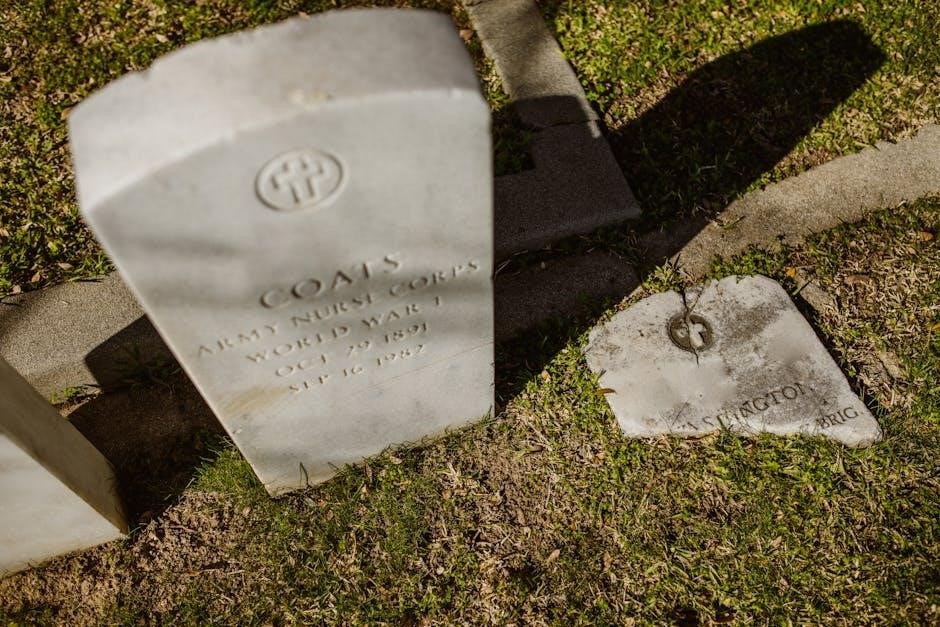
Accessing the NCO Creed in its official PDF format is crucial for ensuring all Soldiers receive the standardized message․ Several sources provide reliable access to this foundational document․ The United States Department of Defense maintains official repositories where the current version of the Creed can be downloaded․
Furthermore, Army Publishing Directorate websites consistently host the latest approved PDF, guaranteeing authenticity and preventing the circulation of outdated versions․ These digital copies are regularly updated to reflect any minor revisions or formatting changes․ Soldiers can also find the Creed embedded within various Army regulations and training materials available online․
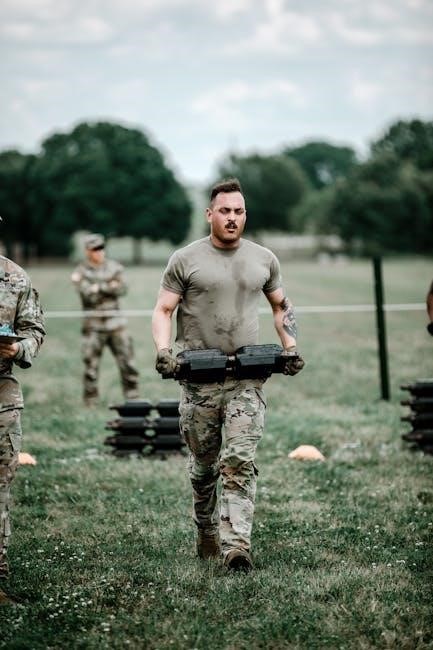
IPPS-A, the Army’s integrated Human Resources system, serves as another key distribution point, making the Creed readily available to all personnel through its digital platform․ Ensuring widespread access to the official PDF reinforces the Creed’s importance and promotes a consistent understanding of NCO standards․
IPPS-A and Digital Access
The Integrated Personnel and Pay System – Army (IPPS-A) plays a vital role in disseminating the NCO Creed digitally throughout the force․ As the Army’s primary HR solution, IPPS-A provides a centralized platform for accessing essential documents, including the official PDF version of the Creed․ This ensures all NCOs and Soldiers have convenient, on-demand access to this foundational text․
Digital access through IPPS-A streamlines distribution and eliminates the challenges associated with traditional paper-based methods․ Soldiers can readily locate the Creed within the system’s knowledge management repositories, facilitating self-study and reinforcing its core principles․ Furthermore, IPPS-A’s digital format allows for easy integration into training modules and professional development programs․
This accessibility is particularly important in today’s rapidly evolving operational environment, where Soldiers require immediate access to critical information․ IPPS-A’s digital infrastructure supports the Army’s commitment to maintaining a highly trained and professional NCO Corps․
Usage in Army Training Programs
The NCO Creed, readily available as a PDF, is extensively integrated into various Army training programs, reinforcing its principles across all levels of NCO education․ From initial entry training to advanced leader courses, the Creed serves as a cornerstone for developing professional competence and ethical conduct․
Recruits and newly appointed NCOs are required to memorize and internalize the Creed, understanding its significance in shaping the Army’s leadership philosophy․ Furthermore, instructors utilize the Creed as a framework for discussions on leadership, responsibility, and the importance of Soldier welfare․

The PDF format facilitates easy incorporation into lesson plans and presentations, ensuring consistent messaging throughout the training spectrum․ Moreover, the Creed is often used as a basis for practical exercises and scenario-based training, allowing NCOs to apply its principles in realistic contexts․ This widespread integration solidifies the Creed’s role in cultivating a cohesive and highly effective NCO Corps․

Impact and Significance of the Creed
The NCO Creed powerfully reinforces NCO identity and ethos, promoting cohesion and teamwork within the ranks․ It influences Army leadership doctrine,
establishing a standard for NCOs․
Reinforcing NCO Identity and Ethos
The NCO Creed serves as a cornerstone for solidifying a unique NCO identity within the Army, distinct from, yet complementary to, the officer corps․ Its formalized statement, born from a need to address a credibility gap in the 1970s, provides a shared understanding of expectations and values․
Accessibility through PDF versions and digital platforms like IPPS-A ensures consistent exposure and internalization of the Creed’s principles․ This widespread availability fosters a collective ethos centered on leadership, responsibility, and dedication to soldiers’ welfare․ The Creed isn’t merely words; it’s a daily reminder of the standards NCOs are expected to uphold, strengthening the backbone of the Army’s enlisted ranks and promoting a sense of pride and belonging․
Ultimately, the Creed’s impact lies in its ability to cultivate a professional and ethical NCO corps, vital for maintaining combat readiness and achieving mission success․
Promoting Cohesion and Teamwork
The NCO Creed, readily available in PDF format and through digital access points like IPPS-A, actively promotes cohesion and teamwork within Army units․ By articulating shared values and expectations, it establishes a common ground for NCOs, fostering mutual respect and understanding․
This shared foundation transcends individual roles and responsibilities, encouraging collaboration and a unified approach to problem-solving․ The Creed emphasizes commitment to soldiers, reinforcing the importance of looking out for one another and building strong bonds․ When NCOs consistently embody the principles outlined in the Creed, it sets a positive example for all soldiers, cultivating a culture of trust and camaraderie․
Consequently, the Creed’s accessibility and consistent reinforcement contribute to more effective teams, capable of overcoming challenges and achieving collective goals․
Modern Relevance in Contemporary Warfare
Despite originating in the 1970s, the NCO Creed – easily accessed in PDF format and digitally via platforms like IPPS-A – remains profoundly relevant in today’s complex and rapidly evolving operational environment․ Contemporary warfare demands adaptable, resilient, and ethically grounded leaders, qualities directly addressed within the Creed’s core principles․
The emphasis on technical expertise, responsibility, and commitment to soldiers’ welfare are crucial in navigating the challenges of modern battlefields, characterized by advanced technology and asymmetric threats․ The Creed’s focus on leading by example and maintaining professional standards is vital for building trust with both subordinates and partners in a joint and multinational context․
Furthermore, its accessibility ensures that these foundational principles are consistently reinforced, preparing NCOs to effectively lead and inspire their teams in any operational setting․
The Creed’s Influence on Army Leadership Doctrine
The NCO Creed, readily available in PDF format and integrated into digital systems like IPPS-A, has significantly shaped Army leadership doctrine, solidifying the critical role of the Noncommissioned Officer Corps․ Initially developed to establish a standard for NCOs – mirroring the oaths taken by officers – the Creed’s principles have become foundational to leadership development programs․
Its emphasis on leading by example, technical competence, and unwavering commitment to soldiers’ welfare directly informs Army leadership manuals and training exercises․ The Creed’s articulation of NCO responsibilities has fostered a culture of accountability and professionalism throughout the ranks․
Moreover, the Creed’s enduring relevance continues to influence the evolution of Army doctrine, ensuring that NCOs are equipped with the ethical and professional framework necessary to lead effectively in the 21st century․
Related Posts

1-2/210 check pdf 2023
Need to verify a PDF in 2023? Our comprehensive 1-2/210 check guide at JointStuff breaks it down simply. Get peace of mind now!

church of the nazarene manual 2023 pdf
Need the 2023 Church of the Nazarene Manual? Download the official PDF here! Find policies, procedures, and everything you need for church leadership & growth. **Church of the Nazarene Manual**.

mind over markets pdf
Download the ‘Mind Over Markets’ PDF & ditch trading stress! Learn how psychology impacts your investments & gain a winning edge. Start trading smarter today!